A Case for
J.W. Pei
Five investment-worthy bags — and the luxury pieces they quietly reference without the luxury price.
There is a particular type of bag that lives in the imagination long before it lives in the wardrobe. Structured. Intentional. The kind that makes an outfit look considered without trying.
J.W. Pei makes those bags. Founded in 2018 by Yang Pei and Stephanie Sun, the brand built its reputation on one insight: that the silhouettes women actually want — the woven Bottega, the ladylike Kelly, the quilted Chanel — do not need to cost what those houses charge for them. Not because quality doesn't matter, but because the margin between a $90 bag and a $2,000 bag is not always quality. Often, it's brand equity.
This edit pairs five J.W. Pei styles against the luxury pieces they quietly reference. The references aren't accusations. They're context. Because understanding what a bag is in conversation with is how you know whether it's worth carrying.


The bag that refuses to whisper
Dark red suede has one setting: unapologetic. The Rowan leans into it — a structured half-moon silhouette, short shoulder strap, and a clasp closure that clicks with the kind of authority you want in a bag you're reaching for at a dinner you dressed for. The reference is obvious and it doesn't care. A quilted Chanel flap in red suede runs close to eleven thousand dollars. The Rowan runs under a hundred. The colour is the point. Both bags understand that.

Structure as a love language
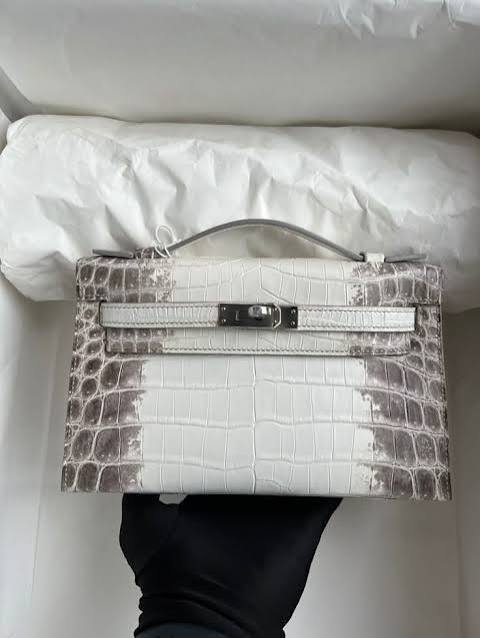
The embossed croc-effect exterior is the kind of texture that photographs one way and reads another in person — richer, more architectural. The Noor is a top-handle bag with a stiff silhouette and a certain heirloom quality that makes it look older than it is, in the best sense. The Hermès Kelly Pochette Himalaya occupies the very top of that register: boxy, structured, impossibly coveted, priced well into six figures at resale. One is the most sought-after bag on the planet. The Noor costs less than dinner for two in Tribeca.
The bag that works every time
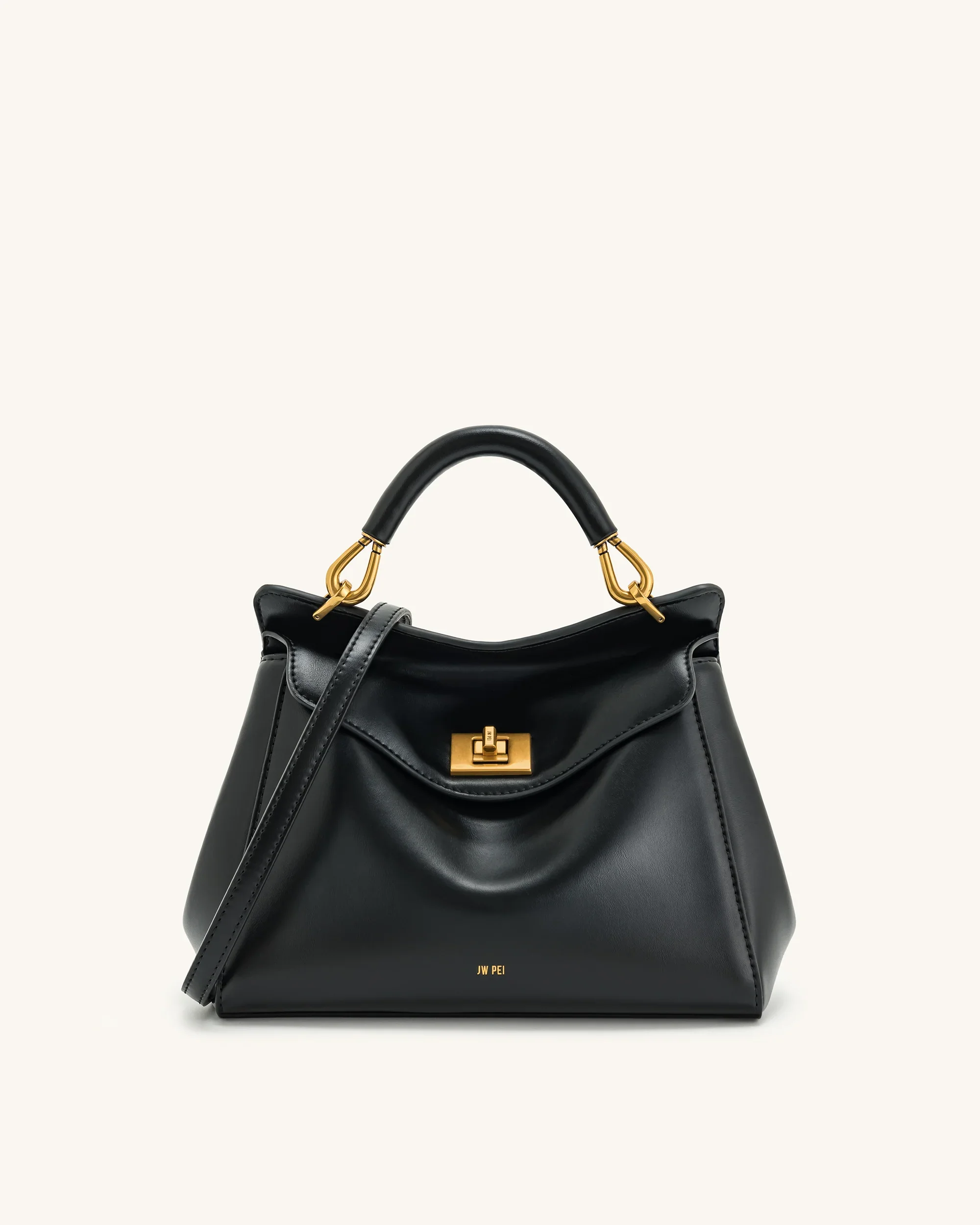
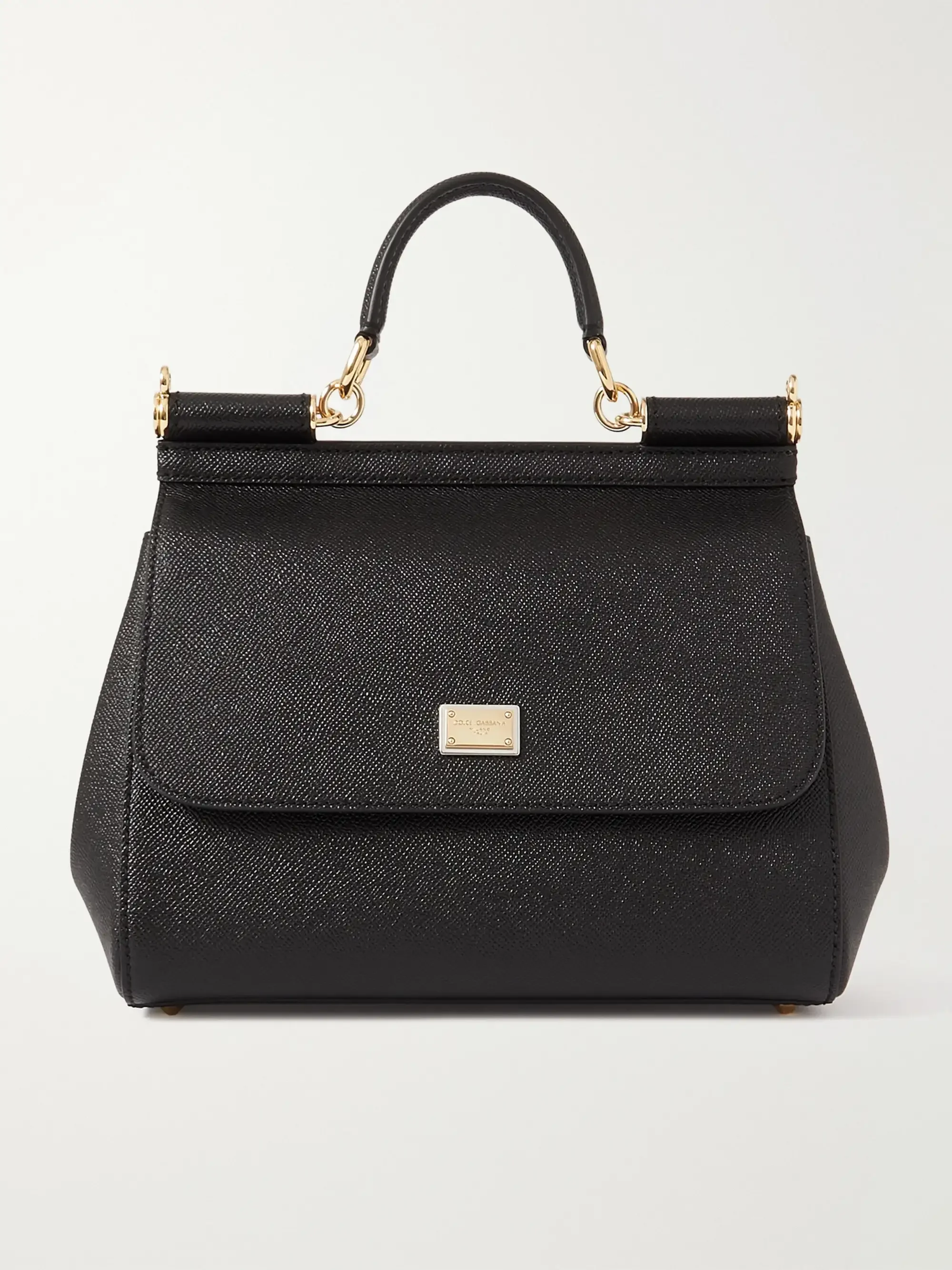
Black structured leather bags are the navy blazer of accessories: they never not work. The Lucia has a clean trapeze silhouette, a double-handle grip, and the kind of proportions that read as intentional rather than incidental — narrow at the base, slightly wider at the top, with a heft to it that feels considered. The D&G Sicily occupies the same formal-but-not-fussy register, and it costs twenty times more. The Lucia doesn't need to apologise for that.
The Gabbi retails for $95. The Bottega it references retails for $1,950. No one in the room will know — and that's entirely the point.
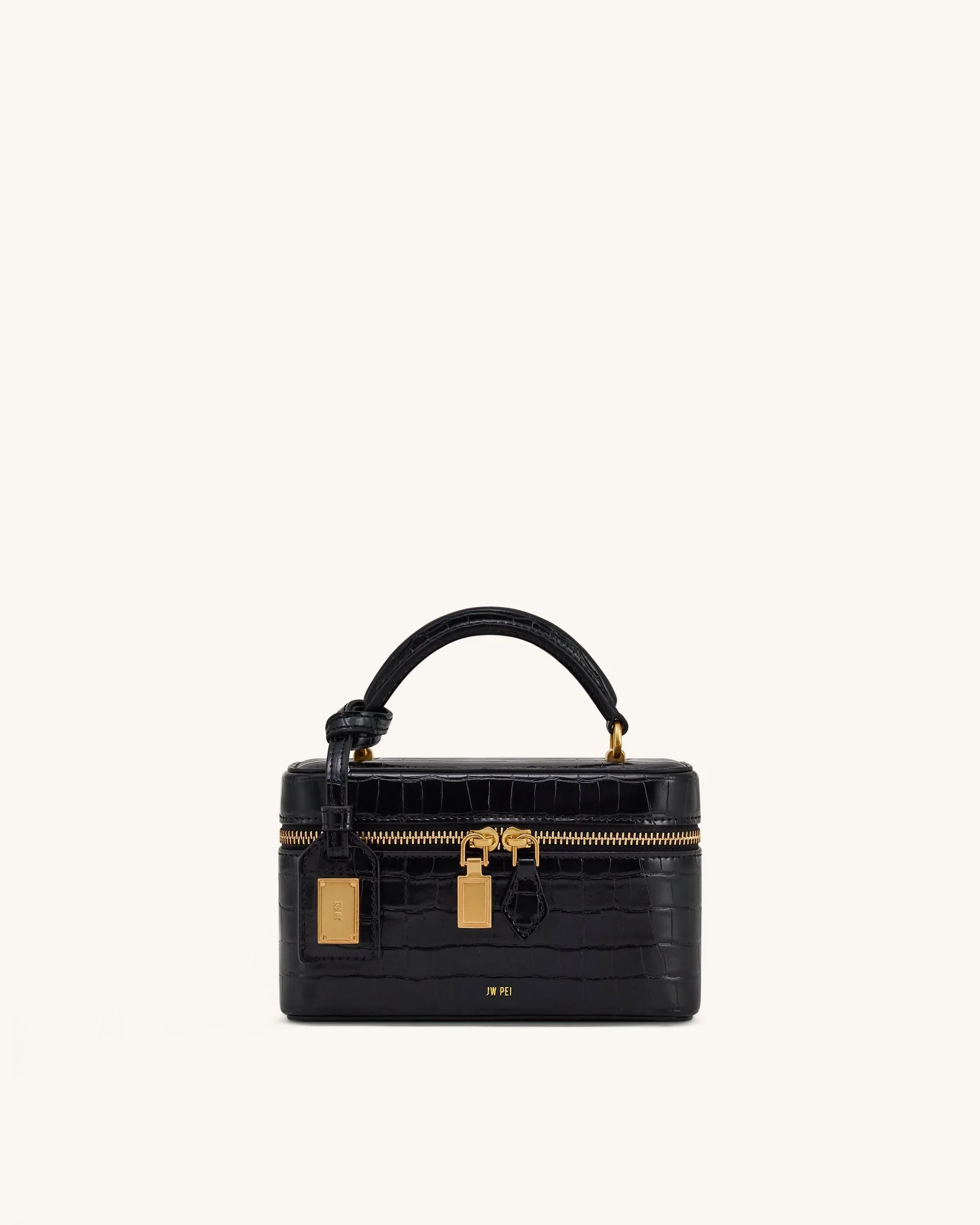

The vanity case, reimagined
The Chanel Vanity Case is one of those silhouettes that reads immediately — boxy, lidded, top-handled — a piece of house vocabulary that Chanel has owned for decades. In black croc-effect leather it runs close to ten thousand dollars. The Cleo Box Bag speaks the same language: rigid frame, structured body, the same instinct for bags that look chosen rather than grabbed. At $75, it makes that statement available to everyone.
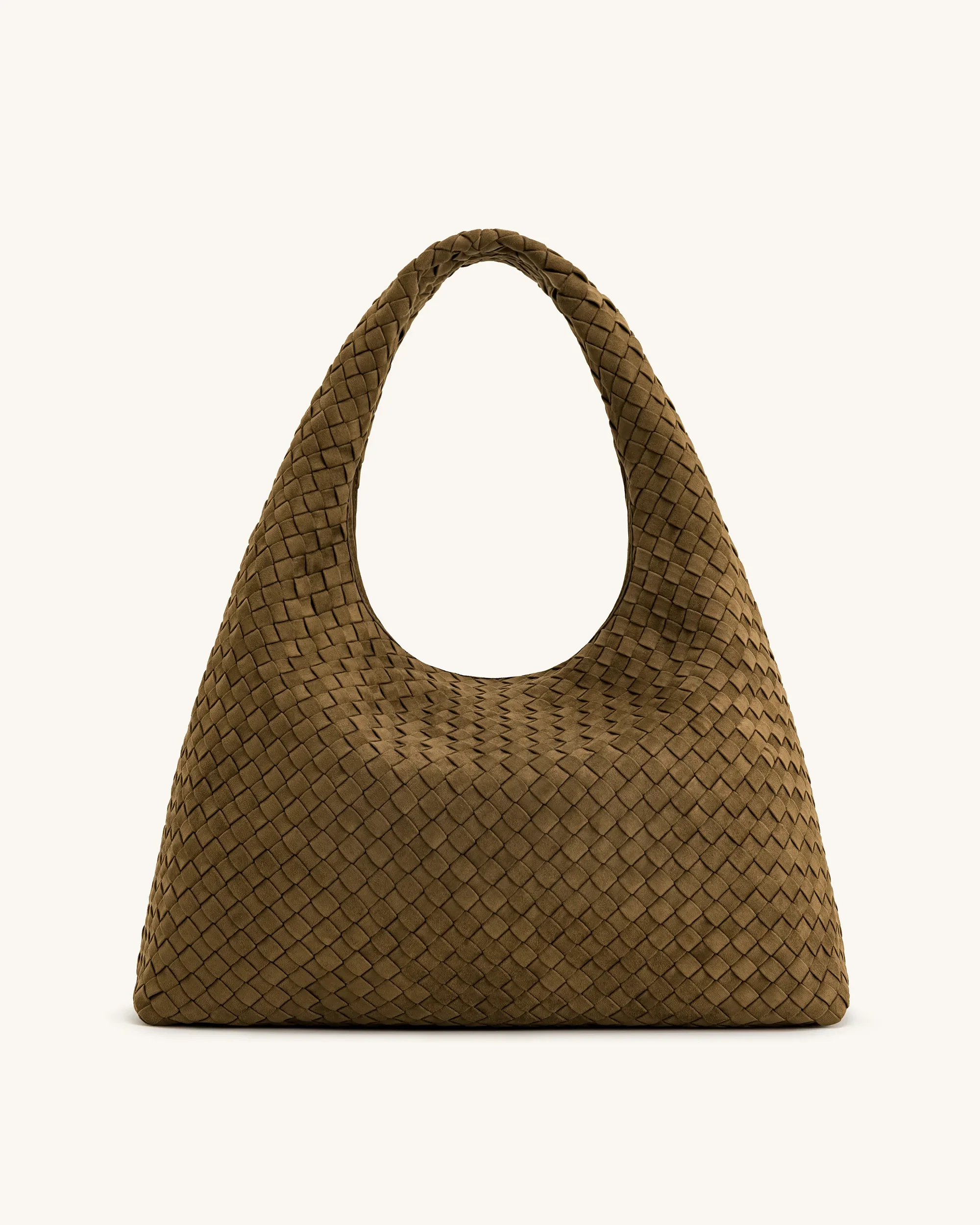
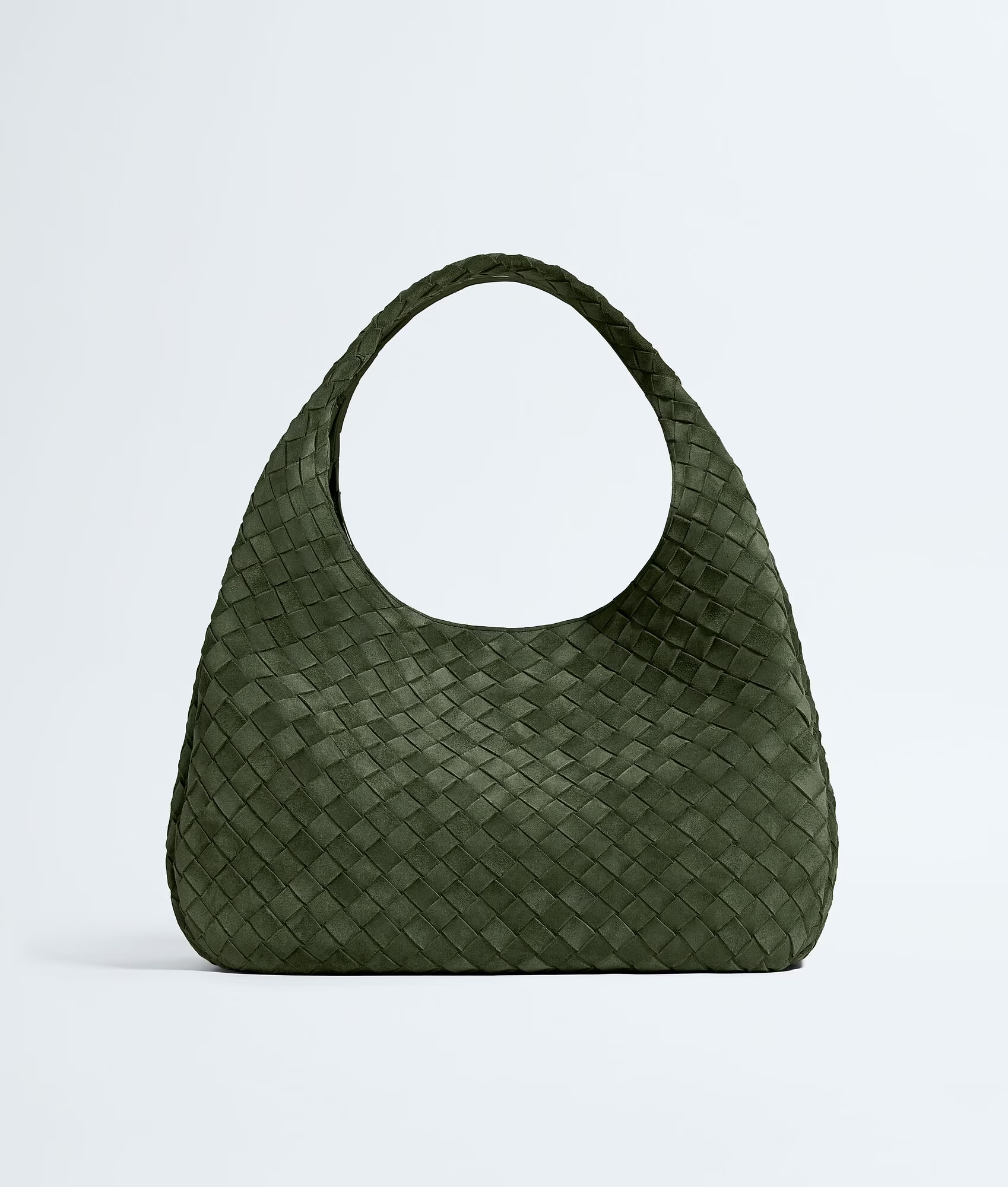
Olive as a considered position
Olive is the shade that the fashion industry has been quietly obsessed with for three seasons without ever making it the loudest thing in the room. It reads as earthy and precise simultaneously — the colour of something that was chosen, not defaulted to. The Bottega Campana in olive is one of the more studied ways to carry it: soft intrecciato weave, generous bucket silhouette, unbranded. The Laura captures that same considered quietness at a price that doesn't require a conversation about it. Both bags understand that olive speaks for itself.
None of these bags pretend to be what they're paired against. J.W. Pei has never positioned itself as a dupe brand — the word itself implies deception, and there's none here. What the brand offers is a design vocabulary that draws from the same visual language as the houses that have spent decades defining it, at prices that don't ask you to justify them.
The question conscious fashion has always had to answer is not whether to spend, but how. A $90 bag you reach for constantly is a better investment than a $2,000 bag you save for occasions that never quite materialise. These five styles are built to be used. That's the point.
More from The Green Room
Conscious edits, considered comparisons, and the brands worth knowing.